Dual camera systems on smartphones have been around for several years
now. Some of the earliest examples include the weird 3D camera on the
HTC EVO 3D. Then it was HTC again who introduced it in a different form on the
One m8. Then LG decided to drop in with its cool wide-angle lens with the
G5 and the same year, Apple decided to take in the other direction by adding a telephoto lens on the
iPhone 7 Plus. Meanwhile, Huawei had other ideas, with its Leica branded monochrome camera on the
P9.
But just how many types of dual camera systems are out there and how
do they differ from each other? Most importantly, are they any good or
is it just a passing fad? Let’s find out.
The Depth Sensor
We will start with this as this is the most basic form of dual camera
system. In this system, the primary camera is accompanied by a second
camera whose only function is to 3D map the area in front of the camera.
As you may know, we are able to see in 3D because we have two eyes with
slightly different perspectives that help us convey depth, especially
for things that are close to us.
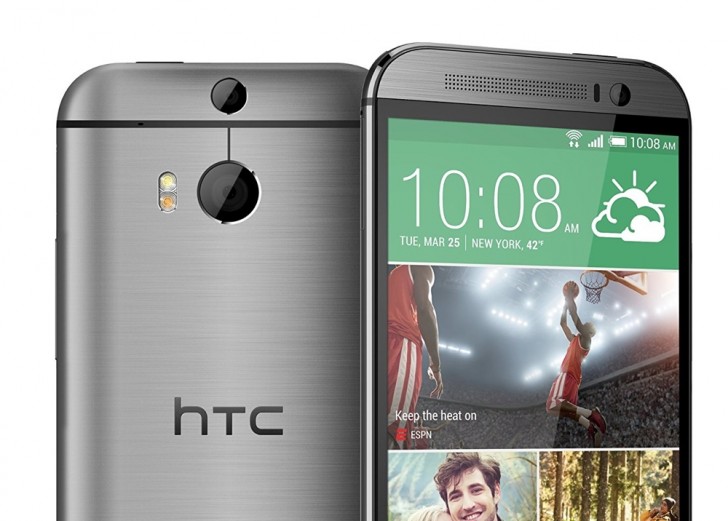 The HTC One m8
The secondary camera in this system works similarly. With the second
camera, the system can now tell roughly how far the objects in front of
it are with respect to each other. This information is then used to
separate the foreground subject from the background.
The most common use of this technique is to create a shallow depth of
field effect. While it’s something that comes naturally to DSLR cameras
with their big sensors and big lenses, the small smartphone cameras
cannot achieve the same shallow depth of field. So instead, this
technique is used to first figure out the borders of the foreground
subject and then apply an iris blue effect on everything else. This
gives the illusion of shallow depth of field.
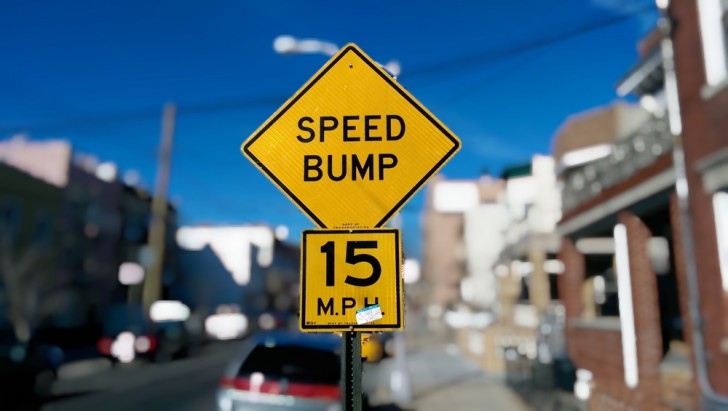 Sample from the HTC One m8. Didn’t always work this well.
While sound in theory and occasionally in practice, this technique
has its pitfalls. Unless your subject is a cardboard cutout, it will
have depth to it and because this depth is not as much as the depth
between the entire subject and the background, the camera occasionally
ends up blurring the edges of the subject as well. Even when it does
work reasonably well, it never quite looks natural, especially since
most smartphone cameras that have this feature apply an even blur on
everything in the background whereas with a DSLR, the intensity of the
blur increases with the distance from the focus point.
Camera systems with a dedicated depth sensor is one of the rarest
types of dual camera systems. The first popular use of it was seen on
the HTC One m8 but these days only the most basic smartphones, such as
the
Honor 6X or the
Lenovo K8 Plus, can be seen using a dedicated depth sensor lens.
The Monochrome Camera
A slightly more popular implementation of the secondary sensor is the
monochrome camera. In this method, the primary camera is accompanied by
a mostly identical secondary camera. Both cameras usually have
identical sensors, apertures, lenses and focusing systems. The main and
usually only difference between the two is that the second sensor lacks
an RGB color filter. This means that the sensor cannot capture color
information but on the upside, because there is one less thing blocking
the sensor, the monochrome camera can capture more light.
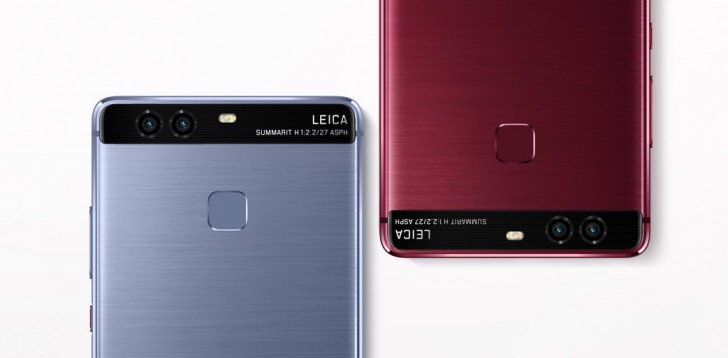 Huawei P9
Every time you take a picture, the camera system combines the output
of both cameras and layers them into one image. In theory, the two
images when combined will have greater detail and reduced noise.
Alternately, you can also just shoot from the monochrome camera and get
slightly better image quality at the cost of all the color information.
One of the first examples of this system was the Huawei P9 and since
then, few other devices have also shipped with this system. To us, the
advantages of this system are nebulous at best. While sound in theory,
we can’t really say for sure if the feature does really work as
advertised. We have seen some good results with this system in the past
but its hard to tell if it was the dual camera doing all the work or it
was just good image processing system.
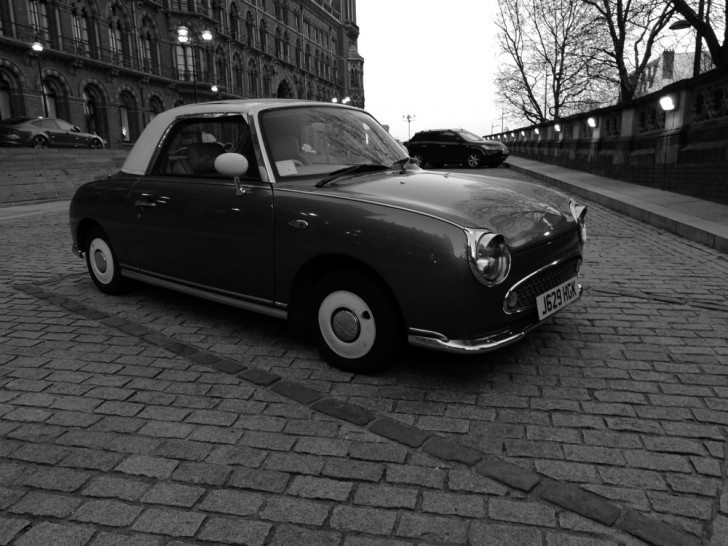 Monochrome image from P9
There is no real disadvantage to this system and we do appreciate
that it’s the only one of the systems discussed here that tries to do
anything about the actual image quality instead of adding additional
features but still, we would rather take some zooming ability over
marginally improved image quality.
The Wide-Angle Camera
Debuted first on the LG G5 early last year, the wide-angle camera is
pretty much what it sounds like. To take LG’s example, the phone had a
16 megapixel, 29mm equivalent f1.8 primary camera and 8 megapixel, 12mm
equivalent f2.4 secondary camera. The 12mm focal length gave the
secondary camera a crazy wide field of view that allowed the user to
capture a much wider area without having to move back or capture
interesting perspectives afforded by such a wide-angle lens.
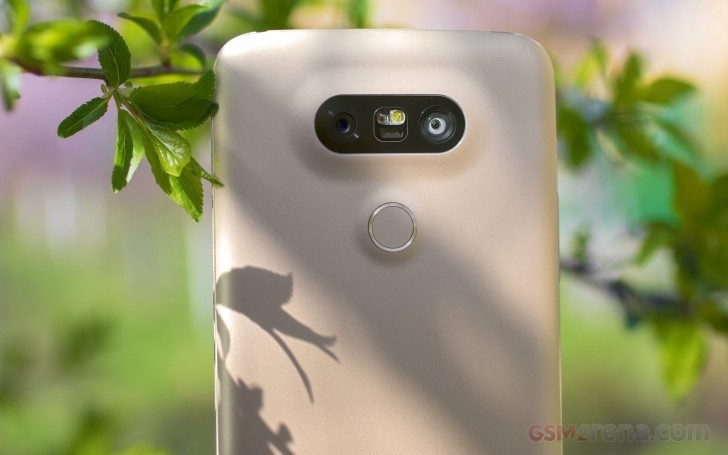 LG G5
LG G5
We have mainly seen this on LG phones, with Motorola recently incorporating it in the
X4,
and we are fans of how it works. The wide-angle lens gives a very
unique perspective that you simply don’t get at all on smartphone
cameras and apart from having practical value (capturing a large group
of people from up close) also lets you capture some really cool looking
shots.
The early iterations of this system did have its disadvantages. On the
G5 and
V20,
the ultra wide-angle lens image quality was nowhere near as good as the
primary camera and also had significant barrel distortion that made it
look like the footage from a GoPro with a fish-eye lens. However, LG has
been steadily improving the system with every iteration and in its
latest avatar on the
V30,
the secondary lens not only has highly respectable image quality but
also significantly less distortion around the edges, making it far more
useful.
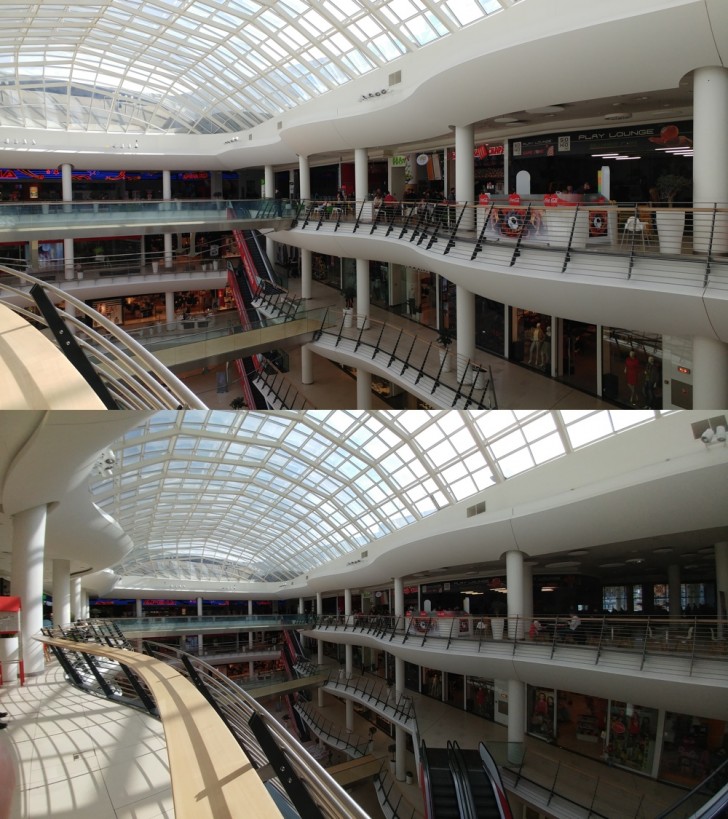 Wide-angle on top and ultra wide-angle below from G5
With good implementation, this system does have the potential to be a
really cool second camera system for particular scenarios and we wish
more manufacturers adopted it.
The Telephoto Camera
The most common of all the dual camera systems today is the telephoto
camera. In this, the primary camera is paired with a second camera that
has a telephoto lens. As you can tell, this is the exact opposite of
the wide-angle camera system, wherein it actually lets you zoom into
your subject instead of zooming out.
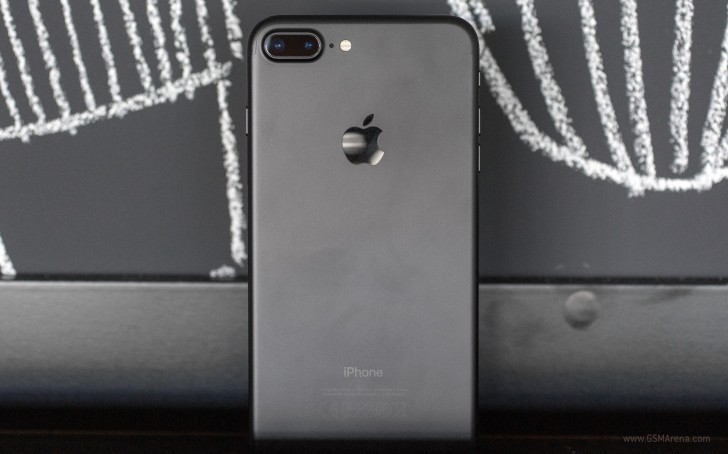 Apple iPhone 7 Plus
Since the iPhone 7 Plus, manufacturers have stuck to using a 2x
factor for the second telephoto lens. This means the secondary lens has
twice the focal length of the primary lens, giving you an instant 2x
optical zoom.
There are many advantages of this system. First is the most obvious,
where you get 2x lossless optical zoom. Zooming on smartphones has
largely been digital until now but with this you get to quickly move 2x
closer to your subject with very little quality loss. Any further
zooming is done digitally still but because the digital zoom is now
being applied on top of 2x optical zoom, it gives much better results.
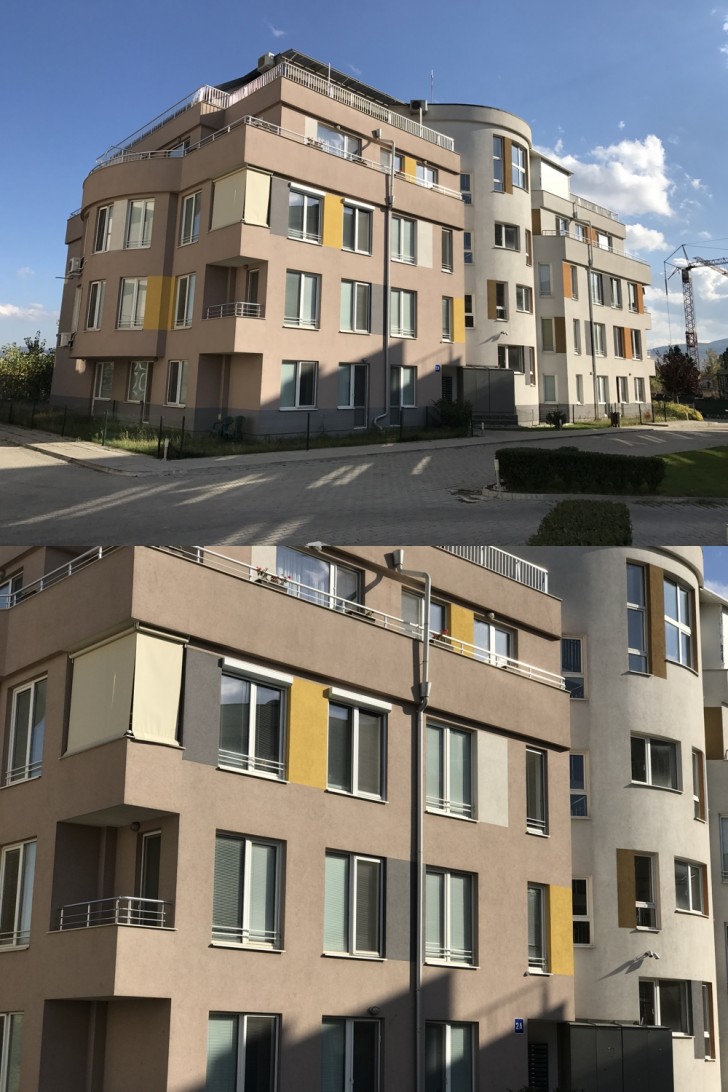 Wide-angle above and telephoto below from the iPhone 7 Plus
Shooting with a telephoto lens also has other advantages. Telephoto
lenses are more suitable for portraits than wide angle as they have less
distortion and is more flattering to the subject. Most manufacturers go
one step ahead and also implement the background blur effect that we
saw with the very first system we talked about today (the primary lens
now acts as the depth sensor). The combination of a telephoto lens and
background blur gives far superior results than just applying background
blur on wide-angle images.
Of course, this system too has its disadvantages. So far none of the
manufacturers have been able to get complete parity between the two
cameras. When the iPhone 7 Plus launched last year, it had a much
smaller aperture (f2.8) compared to the main camera (f1.8) and no OIS on
the secondary sensor. The
iPhone 8 Plus ships with similar arrangement (although the sensors are better this year) and even the
iPhone X still has f2.4 for the second camera (although it does have OIS). The
Note8
was the first phone with a telephoto camera to have OIS but even then
it’s still f2.4 (compared to f1.7 on the main lens) and the second
sensor is slightly worse even if it has the same resolution.